










Redefining the Doctor-Patient Relationship in the New Era of Medicine
In today’s evolving healthcare landscape, doctors are redefining what it means to heal. As a board-certified physician turned coach, I’m often asked: “Are you still practicing medicine?” The answer is yes—just not in the traditional way. The doctor-patient relationship is shifting from prescription to partnership, and I’ve never felt more aligned with my calling. Coaching is not a departure from medicine—it’s a return to the heart of it. With gratitude to leaders like Dr. Brooke Buckley, who helped me see the power of this transformation, I now serve by guiding women through muscle preservation, mindset work, GLP-1 support, and emotional resilience. This is how doctors are changing to meet today’s needs—and it’s how we reignite connection, trust, and healing.
Why the Doctor-Patient Relationship Needs a Redesign
The landscape of medicine is evolving—and so are the roles of those who practice it. Today, more people are searching “how are doctors changing?”, “why doesn’t my doctor have time to listen?”, or “can doctors coach me instead of just treating symptoms?”
These questions aren’t just valid—they’re vital.
For many of us in medicine, the traditional doctor-patient relationship no longer fits the needs of modern life. We’re not just being asked to treat diagnoses—we’re being called to connect, coach, and co-create health alongside our patients.
And I believe that’s exactly where the magic lies.
From Prescription to Partnership: A New Definition of "Doctoring"
I’m often asked, “Are you still practicing as a doctor? Or are you just coaching now?”
Here’s the truth:
I am a doctor first. I will always be a doctor.
But I’m not doctoring the way I was trained to in 2002. I’m not limited to 15-minute visits, ticking boxes on an EHR, or treating labs instead of people.
Instead, I’m reclaiming the full meaning of the word doctor—from its Latin root, docere, which means “to teach.”
Today, I’m teaching women how to:
Understand their metabolism and muscle physiology
Tune into their emotional signals with compassion
Develop sustainable strength—physically and mentally
Reignite their purpose, both in and outside of medicine
And yes, that looks a lot like coaching. But what I’m doing is doctoring at its deepest level—with presence, intention, and love.
How Doctors Are Changing to Fit the Needs of a New Generation
We’re in a paradigm shift. Patients aren’t just seeking information; they’re seeking integration. They want to understand how their body, mind, emotions, and environment all work together.
They want a doctor who:
Listens without rushing
Educates without condescending
Guides without prescribing shame
Offers tools that create agency, not dependency
In this new model, the best medical care feels more like a partnership than a power dynamic.
And for doctors like me—who’ve walked the tightrope of burnout, compassion fatigue, and system-induced disconnection—becoming more human in our approach has brought us back to life.
Coaching as a Healing Extension of Medicine
Let me be clear: Coaching isn’t a step down from medicine—it’s a step deeper into it.
Through my programs at The FIT Collective, I get to sit with women physicians, high-achievers, and health seekers and ask: What if we did this differently?
We focus on:
Metabolic health during GLP-1 therapy
Muscle preservation and strength in midlife
Emotional resilience and distress tolerance
Nutrition that honors intuition and data
Self-trust and mindset transformation
This is how I doctor now.
And it’s profoundly humbling to witness what happens when we empower people not just to heal—but to understand their own healing process.
How We Reignite the Doctor-Patient Relationship
1. We Make Time for the Human Story
When we slow down, we hear the real concerns. We see the patterns. We offer compassion before we offer solutions.
2. We Educate, Not Just Diagnose
Education is empowerment. I teach my clients how to understand their health, not just follow orders.
3. We Create a Safe, Shame-Free Space
There’s no transformation in judgment. The modern doctor-patient relationship must feel emotionally safe before it can be medically effective.
4. We Build a Relationship of Reciprocity
Patients aren’t just recipients—they’re co-creators. And we, as doctors, learn and grow from every individual we serve.
Gratitude for the Calling That Keeps Evolving
Some days, I still miss the white coat and hospital badge. But I’ve come to realize:
I didn’t leave medicine. I returned to it.
I returned to why I became a doctor in the first place—to listen, to teach, to help others remember their strength.
I am profoundly grateful for the privilege of doing this work. Of guiding women who’ve spent their lives serving others to finally serve themselves with the same devotion.
To those still inside the traditional model: I see you. I honor you.
To those stepping outside the lines to redefine what doctoring means: I stand with you.
And to every patient, client, or colleague who has trusted me with a piece of their story—thank you. You have made me a better doctor than any textbook ever could.
What’s Next for the Doctor-Patient Relationship?
We’re not going backward.
As more people search for how the doctor-patient relationship is changing, the world needs more physicians willing to lead this evolution—with heart, humility, and hope.
If you’re a woman doctor ready to reconnect with your calling, or a patient looking for care that sees all of you—you’re not alone.
We’re building something new.
And it’s exactly what medicine was always meant to be.
A Doctor’s Journey to Redefinition: With Gratitude to Dr. Brooke Buckley
I want to take a moment to express my deep gratitude to Dr. Brooke Buckley, a physician leader whose influence helped me see that my current work—as a coach, teacher, and healer—is not a departure from medicine, but a powerful evolution of it.
Dr. Buckley’s courage, leadership, and bold voice in reimagining what it means to "doctor" gave me permission to fully embrace this new identity—not as a step away, but as a step deeper into service.
Thank you, Dr. Buckley
Brooke M. Buckley, MD, FACS is a Board-Certified General Surgeon and Diplomate of the American Board of Lifestyle Medicine. She earned her MBA from The Johns Hopkins Carey School of Business and currently serves as System Vice President of Medical Affairs for Henry Ford Health and Medical Director of the Command Center.
From 2020–2025, she was Chief Medical Officer of Henry Ford Wyandotte Hospital. Her prior leadership roles include Vice President and CMO of Meritus Health, and Associate Chair of Surgery and Medical Director for Acute Care Surgery and the Wound Center at Anne Arundel Medical Center in Maryland.
Dr. Buckley is a national thought leader on burnout, workforce wellness, and trauma-informed leadership. She serves on the Joint Commission Board, is Past-Chair of the Committee on Clinical Leadership for the American Hospital Association, and is a former Chair of AMPAC and past president of the Maryland State Medical Association.
She graduated from The Ohio State University College of Medicine and Public Health and completed her General Surgery residency in the Cleveland Clinic Health System.
Dr. Buckley doesn’t just lead hospitals—she leads movements. She reminded me that leadership in medicine doesn’t have to look one way. And for that, I am forever grateful.
Interested in coaching that honors the science and the soul?
👉 Explore my physician CME coaching programs

Cougar Puberty and the Physician Power Surge: Midlife Transformation for Women Doctors
Feeling overwhelmed, exhausted, or hormonally off in your 40s or 50s? You’re not alone—and you’re not broken. Inside Transform®, women physicians are embracing “Cougar Puberty,” the midlife metamorphosis fueled by hormone shifts, mental load, and reinvention. With expert support from Dr. Komal Patil-Sisodia, strength training, personalized nutrition, and real-talk coaching, this isn’t about decline—it’s about evolution. Discover how physician mental health, menopause education, hormone therapy evidence, and sisterhood are helping doctors thrive in their most powerful chapter yet.
Reclaim Your Health, Hormones, and Confidence with Transform®
There’s a new kind of puberty happening—and it’s not for teenagers. It’s for women in their 40s, 50s, and beyond. Some call it Cougar Puberty, others call it midlife reinvention. At Transform®, we call it a power surge.
For women physicians, this stage hits differently. We’re juggling patient care, leadership, teaching, parenting, caregiving, and invisible emotional labor—all while our hormones shift, our metabolism changes, and our nervous systems adaptto a new biological chapter.
Sound familiar?
If you’re feeling exhausted, reactive, or unsure what’s happening to your body—even as a doctor—you are not alone. And more importantly: you are not broken.
⚕️ Inside Transform®, We’ve Built a Whole-Life Framework for Women Doctors in Midlife
This isn’t a generic coaching group. It’s a curated experience blending:
Physician-centered coaching & mindset work
Nutrition strategies that evolve with your hormones
Progressive strength training designed to maintain lean mass and VO₂ max
Access to real-time menopause and hormone therapy guidance
CME-accredited curriculum grounded in mental fitness and metabolic science
A sisterhood of high-achieving women physicians who get it
🩺 Menopause Support from Our In-House Expert, Dr. Komal Patil-Sisodia
When it comes to perimenopause, menopause, and hormone therapy, we don’t guess. We guide.
We’re proud to have Dr. Komal Patil-Sisodia, a double board-certified family and obesity medicine physician, leading our menopause education. She keeps our community up-to-date on FDA-approved hormone protocols, metabolic shifts in menopause, and how to evaluate risks vs. benefits using real data—not myths.
Whether you’re curious about estrogen therapy, experiencing burnout-related hot flashes, or wondering if your emotional lability is hormonal or stress-driven—we cover it, normalize it, and support you through it.
🍽️ Nutrition That Honors Your Physiology (and Your Schedule)
The Transform® approach to midlife nutrition is rooted in metabolic flexibility, not meal plans.
We teach mindful macros, muscle-supportive fueling, and realistic strategies for busy clinicians who don’t have time to track every bite. Whether you’re on a GLP-1, practicing intuitive eating, or needing help with protein intake—we personalize without perfectionism.
And yes, we make room for joy foods and coffee snacks without shame. Because food is chemistry and culture, not just calories.
🏋️♀️ Science-Based Exercise for Muscle, Mood, and Longevity
Starting in week 25, our Transform® progressive training shifts into HIIT, endurance strength, and max strength blocks—strategically designed to:
Preserve and build lean muscle
Improve VO₂ max and heart rate recovery
Support bone density and insulin sensitivity
Reduce perimenopausal fat gain
Enhance mood, confidence, and cognitive clarity
All workouts are 10–30 minutes. No gym or extensive equipment required. Just results.
🤝 The Power of Peer Community
Perhaps the most underestimated menopause medicine? Connection.
Inside Transform®, you’ll find a protected space where you don’t have to code-switch or explain what it's like to chart after bedtime or cry in the bathroom after being dismissed in a meeting. Our women physicians come as they are—and are held fiercely in return.
Weekly coaching calls
Group-led challenges
Stress workshops
Written coaching support
Here, you're not "too much" or "not enough." You're seen, heard, and championed.
🧠 Midlife Stress and Mental Health: Why It Hits Us Differently
From imposter syndrome to ragey reactivity, midlife stress often gets misdiagnosed as personality flaws.
In reality? It’s a perfect storm of hormonal shifts, mental load overload, and outdated coping strategies. That’s why Transform® teaches you how to recognize your distress subtype—whether it’s Isolation, Assertive, Impulsivity, Control, Validation, or Catastrophizing—and gives you tools to shift in the moment.
From emotional regulation strategies to cognitive reframes, this isn’t therapy—but it’s definitely therapeutic.
💥 You’re Not Declining. You’re Evolving.
The world told us menopause was a slow fade.
Transform® says it’s a rewiring into power, clarity, and longevity—especially when supported by:
✅ Smart strength
✅ Science-backed hormone tools
✅ Peer connection
✅ Metabolic nutrition
✅ Targeted mindset coaching
You’re not too late. You’re exactly on time for your most aligned chapter yet.
Cougar puberty isn’t chaos—it’s code for reinvention.
Let us help you meet it with strategy, sisterhood, and strength.
Learn about Transform® and join the thousands of women physicians who have experienced the program. TRANSFORM®.
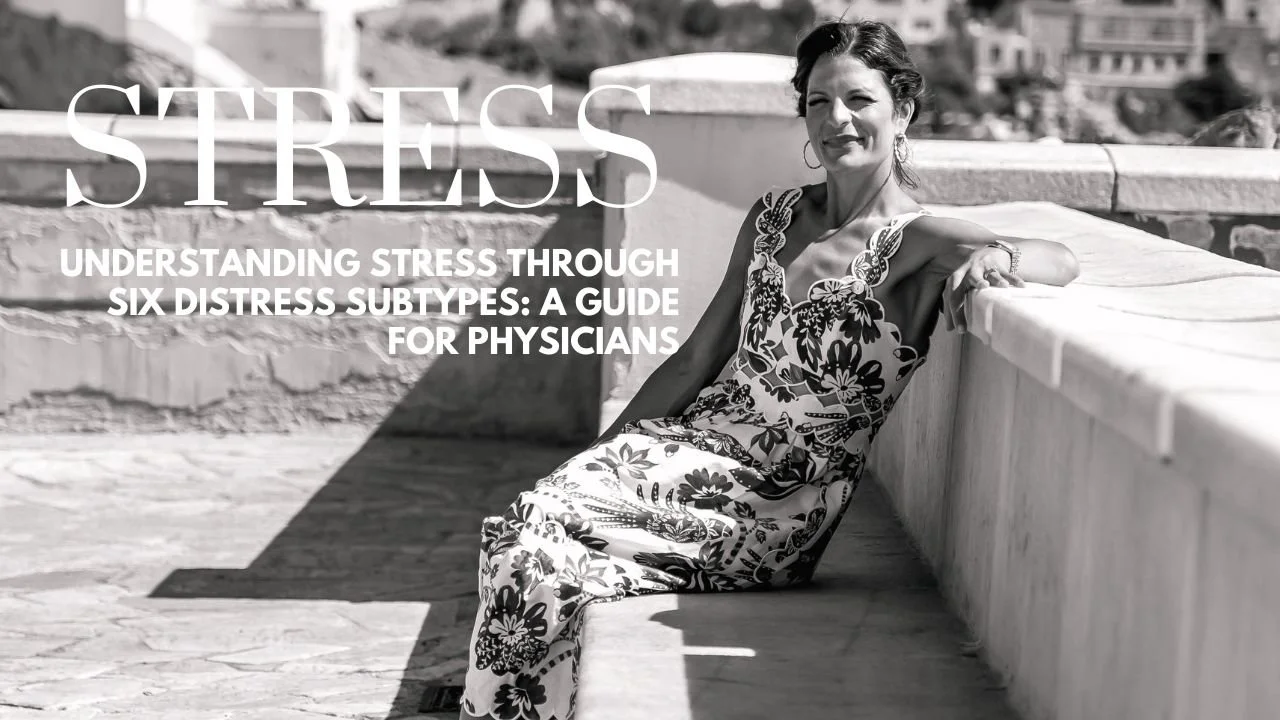
Understanding Stress Through Six Distress Subtypes: A Guide for Physicians
Discover the six hidden stress subtypes—Isolation, Assertive, Impulsivity, Control, Validation, and Catastrophizing Distress—affecting high-performing women physicians. Learn how each pattern shows up at work and home, and access tailored, research-based tools to break the cycle and reclaim your calm.
Stress Management for Doctors: The Six Distress Subtypes You Need to Know
Being in medicine means constantly juggling clinical pressure, leadership roles, home responsibilities, and often, an invisible mental load. If you’ve ever found yourself wondering why stress manifests differently for you compared to your peers, this guide is for you. We’ll walk you through six unique distress subtypes based on real data from women physicians—and show you how to recognize, manage, and transform each one.
1. Isolation Distress: The Quiet Spiral
How It Feels Mentally
Racing catastrophic thoughts
Mental shutdowns during overwhelm
Persistent self-blame for perceived mistakes
Emotional Landscape
Irritation and fear
Emotional numbness followed by logic-mode
Inability to express real-time feelings
Physical Symptoms
Jaw clenching, muscle tightness
Palpitations and heaviness
Somatic freeze or dissociation
Workplace Patterns
Avoiding collaboration
Emotionally detached in meetings
Withdrawing from team support
Home Patterns
Need for extreme solitude after work
Avoiding hugs or emotional conversations
Feeling invisible yet resistant to asking for connection
2. Assertive Distress: Overdrive and Overcontrol
Cognitive Themes
Overanalyzing and mental spirals
Urgent need to fix or escalate
Difficulty letting go or pausing
Emotional State
Irritation masked as efficiency
Hyper-focus under stress
Compartmentalization of feelings
Bodily Cues
Muscle tension, jaw clenching
Racing heart, shallow breath
Restlessness followed by fatigue
At Work
Micromanaging or bypassing group processes
Frustration when others miss details
Emotional crash post-resolution
At Home
Taking on all logistics
Snapping at loved ones over small changes
Feeling unsupported but unwilling to admit it
3. Impulsivity Distress: Racing Minds and Regret
Mental Patterns
Obsessing over others’ opinions
Inner critic and planning panic
Need to act fast to escape discomfort
Emotional Experience
Shame and guilt post-reactivity
Frustration at emotional inconsistency
Emotional outbursts followed by self-recrimination
Physical Impact
Somatic panic and gut tension
Racing sensations and breathlessness
Mental fog outside of professional role
Professional Signs
Impulsive communication
Interrupting or shifting focus mid-task
Productivity fueled by anxiety
Home Life Indicators
Overreacting in minor conflicts
Parent-child power struggles
Rumination post-conflict
4. Control Distress: When Everything Must Be Just Right
Thought Tendencies
Cognitive overdrive during plan disruption
Self-blame and urgency to fix
Obsession with order and timelines
Emotions Underneath
Hidden panic covered by irritation
Guilt when others don’t match urgency
Emotional bottlenecking
Body Responses
Flushed, pacing, tense shoulders
Somatic crash post-stress
Anticipatory stress before the actual issue
In the Workplace
Hyper-organization masking panic
Reluctance to delegate
Resentment over always "being the one"
At Home
Emotional rigidity in family dynamics
Reactivity over changed plans
Difficulty trusting peace or rest
5. Validation Distress: The Unseen Performer
Mental Habits
Self-worth tied to feedback and titles
Ruminating over approval or disapproval
Avoidance of emotional visibility
Emotional Drivers
Suppressed frustration
Longing for reassurance
Disappointment when unacknowledged
Somatic Signs
Headaches, GI issues, heart palpitations
Dizziness and emotional eating
Chronic fatigue from unspoken effort
Workplace Indicators
Overachieving for visibility
Avoiding feedback unless perfect
Feeling invisible despite high output
Home Environment
Being the "giver" with unmet needs
Overextending to avoid conflict
Silence about internal hurt
6. Catastrophizing Distress: Always Bracing for Impact
Mindset Patterns
Scanning for danger or mistake
Obsessive detail-checking
Belief that disaster is imminent
Emotional Flavor
Anxiety layered with embarrassment
Shame around "overreacting"
Emotional shutdown from judgment fear
Physical Effects
Tight chest, shallow breath
Sleep issues and restlessness
Sympathetic nervous system overactivation
At Work
Triple-checking everything
Fear of vague feedback
Overcompensating with perfectionism
At Home
Over-preparing for routine events
Worrying without off-switch
Emotional withdrawal if dismissed
Final Thoughts: Stress Isn't One-Size-Fits-All
Stress shows up differently in every physician. Whether you tend toward isolation, overcontrol, impulsivity, assertion, catastrophizing, or the need for validation, understanding your pattern is the first step to transforming it. You deserve a toolkit tailored to how your brain and body respond to stress—and permission to ask for support before you crash.
Start small. Pick one ritual from your subtype.
Then? Watch what begins to shift.
You are not broken. You are wired for wisdom. And you are never, ever alone in this work.

My Week in Paradise… Where Do I Even Begin?
I never imagined I’d be lucky enough to be part of that dream. And yet… here we are.

It all started over a year ago when my dear friend, Dr. Erica Howe — the incredible founder and host of Women Physician Wellness (WPW) — began dreaming up her 50th birthday celebration. I remember her saying, almost casually but with that signature sparkle in her eye:
“I want my friends on a yacht.”
I never imagined I’d be lucky enough to be part of that dream. And yet… here we are.
This week, Erica brought together a small group of friends on one of the most beautiful yacht experiences I could ever imagine. And the most remarkable part? While it was her birthday, her dream, her moment — she poured so much thought, love, and care into making it special for each one of us.
That’s just who she is.
Watching her in her element — so full of life and generosity — was something I’ll never forget. Erica has this quiet way of elevating everyone around her. Being on that boat, in the middle of the sea, surrounded by women I admire so deeply… I honestly just kept pinching myself. “How did I get so lucky to be here?”
I spent the week doing my best to stay present, soaking in every sunset, every conversation, every laugh. And through it all, I kept feeling this overwhelming sense of gratitude — not just for the experience, but for the people. For Erica. For the friendships. For the reminder that we rise higher when we lift each other up.
I’m so thankful to Erica — for her heart, for her example, and for including me in something so meaningful. She inspires me to lead with more kindness, more generosity, and more presence in my own life and work.
If you’re reading this, I hope you can carry just a little of that light with you today. I know I’ll be holding onto it for a long time.
Sending you so much love today… and every day.
Xoxox-
Ali

The Future of Nutrition Education in Medical Schools: Where We Are and Where We're Headed
Despite overwhelming evidence linking nutrition to chronic disease, medical schools continue to fall short in preparing future physicians to provide practical, preventive dietary guidance. Most programs offer fewer than the recommended 25 hours of nutrition education, with outdated curricula often focused on biochemical theory over clinical application.
But change is on the horizon. From CME-accredited programs for attendings to culinary medicine and lifestyle-based interventions, a growing number of institutions are reimagining how nutrition is taught across the medical education continuum. This article explores the current landscape, highlights what's coming next, and showcases the leaders shaping the future.
Any school that integrates structured, evidence-based training in obesity prevention through nutrition will not only close a major clinical gap—it will become a national leader in transforming health outcomes through medicine that prioritizes prevention.
Why Nutrition Training in Medical Schools Matters More Than Ever
As chronic diseases related to poor nutrition—like obesity, diabetes, and cardiovascular disease—continue to rise, the gap in nutrition education within medical schools is gaining urgent attention. Physicians are often on the front lines of patient care, yet many report feeling unprepared to counsel patients on evidence-based nutrition strategies.
What Are the Current Nutrition Training Requirements in Medical Schools?
Minimal National Requirements Still Dominate
Currently, there is no universal standard in the U.S. mandating robust nutrition education in medical schools. The National Academy of Sciences recommends a minimum of 25 hours of nutrition education, but most schools fall far short of this guideline. Studies show that over 70% of medical schools in the U.S. fail to meet this benchmark, with some offering as few as 10 hours of instruction across the entire curriculum.
Nutrition Education Is Often Fragmented
Rather than being integrated as a dedicated course, nutrition is often embedded in unrelated modules such as biochemistry or pathophysiology. This fragmented approach fails to equip future physicians with practical tools to address dietary interventions in clinical settings.
What Is the Most Common Nutrition Curriculum in Use Today?
Focus on Biochemistry Over Application
The most prevalent approach to nutrition in medical education centers on biochemical mechanisms (e.g., macronutrient metabolism, vitamin deficiencies) rather than clinical application. Students may memorize pathways but lack exposure to:
Nutrition counseling skills
Lifestyle medicine frameworks
Obesity prevention strategies
Food as medicine principles
Culturally responsive nutrition care
Some progressive programs have introduced Lifestyle Medicine electives or culinary medicine workshops, but these remain optional or extracurricular.
What’s Coming Down the Pipeline for Medical Nutrition Education?
A Shift Toward Prevention, Application, and Accreditation
Forward-thinking institutions and accrediting bodies are responding to the call for change. Here are key trends shaping the future:
Increased CME and Graduate Medical Education Options: More residency programs are embedding nutrition and obesity management into required training, particularly within Family Medicine, Internal Medicine, and Pediatrics.
New CME-Credited Curricula for Attendings: Institutions are beginning to adopt structured nutrition training programs with continuing medical education (CME) credit for attendings, often delivered in modular formats that include strength training, GLP-1 medications, and behavior change tools.
Integration with Obesity Medicine Board Prep: As more physicians pursue board certification in Obesity Medicine, the demand for evidence-based nutrition training continues to grow. Curricula that offer Group Two CME credits aligned with this specialty are increasingly sought after.
Nutrition Training as a Quality Metric: Accrediting organizations are evaluating how well programs prepare students to address social determinants of health, with nutrition and food access emerging as key focus areas.
Who Is Leading the Charge in Medical Nutrition Education?
Several institutions and leaders are pushing the boundaries of traditional medical training:
Harvard's Culinary Health Education Fundamentals (CHEF) Coaching Program: Offers a hands-on, evidence-based approach for clinicians.
Tulane University’s Goldring Center for Culinary Medicine: A pioneer in integrating culinary skills into medical education.
Stanford's Nutrition and Lifestyle Medicine Programs: Provide robust faculty development and residency-based initiatives.
The FIT Collective’s Nutrition & Obesity Prevention Curriculum: Offers CME-accredited, clinic-ready programs designed for attendings, with an emphasis on muscle preservation, longevity, GLP-1 pharmacology, and patient-centered nutrition coaching.
Why the Future Belongs to Schools Prioritizing Obesity Prevention Through Nutrition
Medical schools that take the lead in obesity prevention through comprehensive nutrition training will not only improve population health outcomes—they will also position themselves at the forefront of modern medical education.
With chronic disease burden increasing and patients demanding more personalized, preventive care, now is the time for institutions to invest in structured, evidence-based nutrition education. Those that do will define the next generation of medical excellence.

Perimenopause Treatment in the Age of Anti-Obesity Medications
Perimenopause is no longer just about estrogen replacement—it’s about metabolic survival. With the rise of GLP-1 medications and a deeper understanding of normal weight obesity, it’s time we update how we treat women in midlife. In this blog, Dr. Ali Novitsky explores a comprehensive, evidence-based approach to perimenopause: from hormone labs to muscle preservation, body composition testing to anti-obesity strategies, and how to care for patients who may look “normal weight” but carry hidden metabolic risk. If you’re a clinician or woman navigating midlife change, this guide is your roadmap to personalized care in a new medical era.
Redefining Women’s Health by Addressing Weight, Hormones, and Metabolism—Together
In the evolving landscape of women’s health, the intersection of perimenopause, obesity, and metabolic dysfunction is more relevant than ever. With the rise of GLP-1 receptor agonists and other anti-obesity treatments, we now have more tools than ever to support women through the often-complex transition of perimenopause. But here’s the key: treatment must be comprehensive—because perimenopause is about more than hormones, and obesity is about more than BMI.
Why Perimenopause Deserves a 360° Metabolic Approach
It's Not Just About Estrogen—It's About Everything
Perimenopause isn’t just about waning estrogen. It’s a physiologic shift in metabolic setpoint, inflammation, sleep, mood, insulin sensitivity, and body composition. Many women report:
Increased abdominal fat
Muscle loss
Blood sugar instability
Brain fog
Cravings and energy dips
Sleep disruption
These aren’t “just aging.” They’re clues that metabolic resilience is weakening—and it’s time for intervention.
The Role of Anti-Obesity Medications in Perimenopause
How GLP-1s Are Changing the Game for Women 40+
GLP-1 medications like semaglutide (Ozempic, Wegovy) and tirzepatide (Zepbound) are transforming care for women with obesity, metabolic syndrome, and even PCOS. These drugs regulate appetite, insulin response, and gut-brain signaling—making them powerful tools in managing:
Visceral fat gain
Pre-diabetes and insulin resistance
PCOS exacerbated by perimenopause
Emotional eating patterns
However, GLP-1s should not be used in isolation. Without strength training, protein optimization, and micronutrient support, women are at risk of muscle loss, nutrient depletion, and hormonal destabilization.
Understanding “Normal Weight Obesity” in Perimenopause
Why BMI Can Be Misleading in Women Over 40
A woman can have a “normal” BMI and still have:
High visceral fat
Low skeletal muscle mass
Metabolic dysfunction (insulin resistance, elevated triglycerides)
Fatigue, brain fog, and poor recovery
This condition—known as Normal Weight Obesity (NWO)—is especially common during perimenopause, when hormonal changes reduce lean mass and increase fat distribution in a subtle, but metabolically dangerous, way.
The Lab Work Women Need in Midlife (That’s Often Missed)
Go Beyond TSH and Estrogen
To understand the full metabolic picture, clinicians should assess:
Hormones
Estradiol, Progesterone, Testosterone, DHEA-S, SHBG, LH, FSH
Thyroid
TSH, Free T3, Free T4, Reverse T3, Thyroid Antibodies
Metabolic
Fasting insulin, A1c, Fasting glucose, Lipid panel, CRP
Nutrient status
Vitamin D, B12, Magnesium, Ferritin
Body Composition
InBody or DEXA to assess fat vs. lean mass
This data guides an individualized treatment plan, especially for women who “look healthy” but are struggling metabolically.
Integrative Treatment Options for Perimenopause + Obesity Risk
Combine Hormonal, Nutritional, and Movement Strategies
✅ Hormone Therapy (HRT/MRT): Supports sleep, mood, bone, and muscle health
✅ GLP-1 Medications: Use when appropriate for appetite regulation and insulin sensitivity
✅ Strength Training: 3x/week to maintain lean mass and metabolic function
✅ Protein Timing: 30–40g per meal to support anabolism
✅ Mindful Macronutrients: Balanced meals to avoid crashes and support satiety
✅ Stress + Sleep Support: Cortisol elevation worsens metabolic markers
✅ Micronutrient Repletion: Especially magnesium, B vitamins, and vitamin D
Final Takeaway: Metabolic Health Is the Missing Link in Perimenopause Care
The old model of treating women in perimenopause with “a little estrogen” and generic lifestyle advice is outdated. Today, we must treat the whole picture—with evidence-based tools like anti-obesity medications, lab-guided interventions, and body composition-aware strategies.
Whether your patient is struggling with visible weight gain or silent shifts like normal weight obesity, now is the time to address hormones, metabolism, and lifestyle in harmony.
I want to direct you to a recent podcast that I did. Navigating weight gain in perimenopause and menopause. You can listen HERE.

Is 30 Minutes of Strength Training Per Week Enough to Preserve Muscle During Fat Loss?
Is 10 minutes of strength training, 3 days per week, truly enough to maintain muscle while losing fat—especially on GLP-1 medications? The answer may surprise you. In this article, Dr. Ali Novitsky explains why muscle maintenance and muscle gain require entirely different strategies—and why less can actually be more. Discover the science behind time-efficient training, how to help patients overcome all-or-none thinking, and how a realistic plan of 30 minutes per week can protect lean mass, boost metabolism, and support long-term success. Plus, get access to Ali’s new beginner program: 3 fresh, 10-minute workouts every week—no repeats, no guesswork, just results.
The Truth About Muscle Maintenance and Time-Efficient Workouts
If you're a physician or wellness coach advising patients on fat loss strategies—especially those on GLP-1 medications—you’ve likely encountered a key concern:
“Is 10 minutes of strength training, 3 days a week, enough to maintain muscle mass?”
The short answer is yes, if the goal is muscle preservation during fat loss, not hypertrophy or muscle gain. Here’s the science and strategy behind why the “minimum effective dose” of resistance training—30 minutes per week—is both sufficient and sustainable for most.
Muscle Maintenance vs. Muscle Gain: Two Very Different Goals
Why Most Fat Loss Clients Don’t Need a Bodybuilder's Routine
When designing strength programs, many overreach by applying muscle gain protocols to fat loss clients. The physiology, hormonal demands, and metabolic requirements of these goals are very different:
Muscle gain requires a caloric surplus, progressive overload, and significant time investment.
Muscle maintenance during fat loss, by contrast, focuses on preserving lean tissue in a calorie deficit, which doesn’t require long gym sessions.
Why 10 Minutes, 3x/Week Is a Clinically Sound Recommendation
The Math: 30 Minutes/Week x 52 Weeks = 26 Hours of Training a Year
When patients hear they need to “train for 3 hours per week,” they often fall into all-or-none thinking—especially those juggling careers, families, and burnout. The result? They do nothing.
Now compare this to a 10-minute plan:
3 sessions/week of strength training = 30 minutes
52 weeks/year = 26 hours of strength training annually
That’s 26 hours of muscle signaling—enough to preserve muscle, support metabolism, improve insulin sensitivity, and counter muscle wasting risks from GLP-1 medications or rapid weight loss.
The Science Behind the Minimum Effective Dose
Progressive Overload, Consistency, and Rest Matter More Than Duration
Even brief bouts of strength training (especially with full-body compound movements) generate a muscle-preserving anabolic signal. Research supports that time under tension and intensity, not duration alone, are what matter most when preserving muscle in a deficit.
10 minutes of targeted strength work, done with proper form and consistency, yields substantial return.
Short workouts also improve adherence, lowering dropout rates.
Tailor It to the Patient’s Body Type and Recovery Capacity
One Size Doesn’t Fit All—But 10-Minute Training Works for Most
Every patient’s body type, baseline muscle mass, and stress/recovery balance must be considered. But most adults, including those with obesity or sedentary habits, benefit from starting with micro-dose training.
It builds confidence.
It creates habitual consistency.
It sets up a foundation for progressive overload later, without burnout.
Final Takeaway: 30 Minutes Per Week Can Preserve Muscle—If That’s the Goal
This isn’t about bulking up or maximizing hypertrophy.
This is about preserving lean tissue while losing fat—the cornerstone of long-term metabolic health.
For the average patient (or physician), 30 minutes of weekly strength training is the entry point to success. And when multiplied by consistency, it becomes a powerful longevity tool—especially in GLP-1-supported weight loss programs.
Let’s stop prescribing protocols no one can stick to.
Let’s start empowering people with realistic, research-backed strength plans that actually get done.
✅ Ready to Get Started?
Introducing my Beginner Strength Training Program — designed specifically for fat loss and muscle maintenance:
3 new 10-minute strength workouts released weekly
3 difficulty levels to meet you where you are
No repeats — 52 weeks of progressive strength content
Just 30 minutes per week to build consistency, confidence, and metabolic strength
👉 Join today and commit to 10 minutes, 3 times a week.
Let’s build sustainable muscle from the inside out.
👉 Want to bring strength training in house to your practice or institution? I offer that too!
Learn More Here
We Have SO Many Ways to Support You
We’re here to walk beside you, wherever you are on your journey.
We’ve been thinking about you — and how many incredible ways we now have to support your growth, vitality, and fulfillment.
Whether you’re ready to transform your practice, prioritize your health, or reclaim your time and energy, we’ve got you covered. In fact, we thought it was the perfect time to put everything we offer in one place… so you can easily find the right next step for YOU.
Here’s how we can support you:
TRANSFORM® Coaching Program
A 12-month CME experience for physicians with a focus on mindset, metabolism, and muscles.
72 CME Credits
Nutrition Training & Obesity Prevention Program
Learn to confidently support patients with lifestyle-based obesity care, strength, and nutrition.
48 CME Credits
I.M.P.A.C.T. Curriculum
A full-circle leadership and wellness program rooted in identity, mission, and mindset.
72 CME Credits
Genetics Series
Personalized, precision-based coaching using your unique genetic blueprint.
Learn how your genes influence health, performance, and longevity.
ACGME-Aligned Nutrition CME for Physician Groups
Bring our proven, practical nutrition and strength curriculum to your residents or team.
Scalable training for institutional support
Clinical Strength Rx
A progressive strength training program designed specifically for practices, clinics, and hospital-based providers.
Backed by science, designed for clinics and institutions.
Berkshires Retreat (Live!) 2026
Reconnect, recharge, and reimagine what’s possible for your life and work.
12 CME Credits + luxury retreat experience.
Total Fitness Program
Year-long access to expert-designed workouts (includes our most successful programs).
Perfect for lasting results with minimal time commitment.
Beginner Strength Training
New to strength or getting back to it? This program is simple, doable, and effective.
Gentle entry into a lifelong habit.
Private Coaching
Work 1:1 to break through blocks, reconnect with your purpose, and create personalized action.
Intensive, individualized support.
Or, you can book a consult HERE
We’re here to walk beside you, wherever you are on your journey.
Let us know what resonates, or reply to this email and we’ll help you find the perfect fit!
With deep gratitude and excitement for what’s next,
Ali + The FIT Collective Team
What Nutrition Training for Doctors Can—and Cannot—Solve
Nutrition training is rapidly becoming a must-have skill for modern physicians—but how far can it really go? In this article, we explore what nutrition education can help doctors achieve in clinical practice—like offering quick metabolic health tips, supporting underserved patients, and improving personal wellness—and where its limits lie, including genetics, evolutionary biology, and structural barriers. If you're a doctor seeking realistic, evidence-based nutrition tools that enhance care without overpromising, this is your essential guide.
As more physicians embrace a lifestyle and preventive medicine approach, nutrition training for doctors is gaining momentum. But what exactly can these programs achieve—and what are their natural limitations?
Whether you're a primary care provider, obesity medicine specialist, or looking to better support patients’ metabolic health, understanding the realistic impact of nutrition education is critical. In this article, we break down both sides of the equation—and invite you to explore a CME-certified program designed specifically for physicians.
What Nutrition Training Can Do for Doctors
1. Provide Quick, Actionable Strategies for Metabolic Health
One of the most practical benefits of nutrition training is gaining ready-to-use strategies that physicians can deliver in under a minute. These bite-sized tips—such as how to guide protein intake, hydration, or meal spacing—empower doctors to support metabolic health without needing to overhaul the visit.
Physicians no longer need to say “just eat better” without specifics. With a nutrition toolkit, doctors gain confidence and clarity in their patient-facing advice.
2. Support Patients Without Access to Dietitians
Many patients, especially those in rural, underserved, or high-volume clinics, may never meet with a dietitian. Nutrition training helps doctors fill this gap, offering foundational guidance that patients would otherwise miss.
At the same time, this education helps clarify when to refer to a nutrition professional for advanced medical nutrition therapy.
3. Improve the Physician's Own Health and Resilience
Doctors who understand and apply nutritional science in their own lives tend to feel better, perform better, and inspire more trust. Training fosters personal wellness habits, helping physicians model the behavior they encourage in their patients.
4. Increase Meaningful Referrals to Nutrition Experts
Doctors who are confident in nutrition conversations are more likely to identify red flags, initiate nutrition-related discussions, and make appropriate referrals. These improved touchpoints strengthen the continuity of care between physicians and registered dietitians.
5. Utilize the Full Spectrum of Metabolic Health Tools
Today’s physician needs to be comfortable using tools like InBody scans, continuous glucose monitors, and macronutrient-based planning. Nutrition training provides clinical context for these tools, allowing for data-informed interventions that go beyond guesswork.
What Nutrition Training for Physicians Cannot Solve
1. It Can’t Override Genetic Predisposition
Genetics still matter. While nutrition can modulate gene expression, it can’t eliminate inherited tendencies toward obesity, insulin resistance, or cardiovascular disease. Nutrition education should complement—not replace—individual risk assessment.
2. It Can’t Reverse Human Biology in a Modern World
We are biologically wired for a world of scarcity, not one filled with ultra-processed food and sedentary living. Even with the best training, doctors can’t rewrite evolutionary mismatches that make behavior change difficult.
What they can do is help patients navigate the modern food environment with informed, achievable strategies.
3. It Can’t Fix Structural and Social Determinants Alone
Good nutrition takes more than knowledge—it requires resources, support, and accessibility. Training helps physicians guide and support, but they cannot also be the social workers, policy makers, or food security officers. Addressing the full scope of nutritional care requires system-wide solutions.
Ready to Level Up Your Clinical Impact?
If you're a physician who wants to feel more confident in guiding nutrition conversations, you don’t have to start from scratch.
🎓 Join My Nutrition Training Program for Physicians
My physician-designed Nutrition Training Program now includes new Longevity Modules and offers 48 AMA PRA Category 1 CME Credits—including 30 Group Two Credits that count toward Obesity Medicine board certification.
This training blends:
Practical tools for metabolic health
Evidence-based strategies you can use in real clinical settings
Personal wellness education for doctors
Modules on exercise, sleep, mindset, physiology, and the latest longevity research
👉 Click here to learn more and enroll today
🎧 Want to Learn More First?
Tune into my podcast episode:
“Filling the Gap: Nutrition Training for Doctors and Advancing Metabolic Health”
In this episode, I dive into:
Why traditional medical education leaves a nutrition gap
How doctors can become more effective guides in preventive care
Real examples of how nutrition strategies shift patient outcomes
Listen, learn, and get inspired to expand your toolkit.
Final Thoughts: A Tool with Boundaries, A Mission with Momentum
Nutrition training for physicians is one of the most high-leverage ways to elevate clinical care, improve patient outcomes, and enhance personal health. But it’s also not a silver bullet—it can’t erase genetics or structural barriers.
Still, when paired with awareness, empathy, and system-level support, this training becomes a powerful force in transforming metabolic health—one conversation at a time.
Nutrition Training for Doctors Is Becoming Mandatory—Are You Ready?
Nutrition education is no longer optional for physicians—some states have already mandated it, and more are expected to follow. This blog breaks down why nutrition training is essential for doctors, how program directors can stay compliant, and how a new CME-certified course is helping clinicians confidently support patients with obesity, chronic disease, and metabolic dysfunction. Learn how to bridge the gap between diagnosis and sustainable care with evidence-based tools that fit real-world practice.
Yes, it’s happening. Nutrition education is already being mandated in several states—and yours could be next.
Whether you’re a practicing physician, residency program director, or medical school leader, now is the time to get ahead of the curve. Comprehensive nutrition training isn’t just a “nice to have” anymore—it’s quickly becoming a compliance requirement, a clinical imperative, and an opportunity to lead.
Why Is Nutrition Training Being Mandated for Physicians?
When people hear that nutrition training is now being required for doctors, responses vary:
Patients often say, “Wait… I thought doctors were already trained in nutrition!”
Doctors frequently respond, “This is just one more expectation on top of an already packed clinic day—plus, insurance doesn’t reimburse for it.”
Dietitians may feel slighted, saying, “That’s our job—physicians should refer to us!”
And they’re all right.
But they’re also missing the bigger picture.
Why Physicians Need Nutrition Education—Even with Limited Time
Here’s the truth:
Nutrition is a pillar of medicine.
If we, as physicians, are experts in the science and practice of medicine, then we must also be conversant—if not confident—in discussing nutrition, metabolism, and lifestyle.
The current system isn’t built to support sustainable change:
Patients living with chronic diseases like obesity, diabetes, and hypertension need long-term support.
A handful of insurance-covered visits to a dietitian won’t cut it.
The gap between diagnosis and ongoing lifestyle intervention is wide—and growing.
Physician-delivered nutrition counseling won't replace dietitians. But without basic nutrition fluency, physicians risk losing relevance in areas where behavioral and metabolic support are critical.
Program Directors: How to Prepare for Compliance and Lead with Innovation
If you're a residency program director or a medical school curriculum leader, you’re likely already fielding questions like:
"How do we keep our training programs compliant with new state requirements?"
"What nutrition CME options are credible, evidence-based, and practical for physicians?"
"How can we equip our learners with clinical tools they’ll actually use?"
The answer is to integrate clinically applicable, expert-led nutrition education into your curriculum now—not just to meet mandates, but to elevate care quality, patient satisfaction, and clinician confidence.
Introducing: The Nutrition Training and Obesity Prevention Program
I created the Nutrition Training and Obesity Prevention Program with all of this in mind.
✅ 48 CME credits (ACCME certified)
✅ 30 credits applicable toward Obesity Medicine board certification
✅ Designed by a physician, for physicians
✅ Focused on real-world application for metabolic health, obesity, and chronic disease
This program empowers doctors to talk to patients about nutrition without guesswork or guilt—and to bridge the gap between diagnosis and action.
Bonus: New Longevity Modules Just Added
To take this training even further, I’ve added 14 Longevity Modules—giving physicians an evidence-based framework to optimize:
Muscle and metabolism
Hormones and circadian rhythm
Cardiovascular and gut health
Brain health, body composition, and more
These topics are essential not only for treating disease—but for extending healthspan and preventing decline.
It Takes a Village—And Physicians Are a Critical Part
We need everyone on board when it comes to nutrition:
Registered Dietitians
Certified Nutritionists
Personal Trainers
Health Coaches
And yes—DOCTORS
Nutrition is no longer optional. It’s foundational. And the future of medicine depends on us working together—not in silos, but in synergy.
Final Thoughts: Lead the Change, Don’t Chase It
If you're a doctor seeking nutrition training that actually applies to real-world care, or a program director looking to stay compliant and competitive, don’t wait until mandates catch up to you.
🔗 Click here to learn more and enroll now.
The future of medicine is metabolic.
Let’s train for it—together.

Do Your Patients Need to Track Nutrition to Lose Weight? Here’s the Truth.
Most patients trying to lose weight believe they’re doing everything right—until a short nutrition audit reveals they’re eating at maintenance, not in a fat-loss deficit. In this blog, Dr. Ali Novitsky explains why 3–7 days of real food tracking (not perfection!) is the most effective tool after motivational interviewing. Learn how this strategy uncovers hidden hormonal issues, clarifies caloric needs, and helps patients finally break through weight loss plateaus—with science, empathy, and zero shame.
After motivational interviewing, this is the single most important thing I do. But I don’t do it in the way you think.
If you’re a physician helping patients lose weight, you’ve likely wondered whether tracking food intake is necessary. Is it too time-consuming? Too triggering? Too clinical?
Let me break this down: I don’t ask most of my clients to track their macros long term to lose weight.
But I do ask them to track for just 3–7 days. Why?
Because those 3–7 days give me more clarity than any lab result, body scan, or coaching script ever could.
Why Short-Term Nutrition Tracking Beats Long-Term Restriction
Most Patients Think They’re in a Deficit. They’re Not.
Many of my clients tell me they’re doing everything right and still not losing weight.
But when I review a short-term nutrition audit—just a few days of real data—we usually find they’re eating at maintenance, not in a fat-loss deficit. Their intentions are golden, but the reality is: without data, we’re guessing.
A quick audit reveals the truth. And that truth sets us up to create a strategy that works.
What I Look for in a Nutrition Audit
When I run a nutrition audit, I’m not asking for perfection. I’m asking for real. In fact, I normalize imperfect eating—because there’s no such thing as “eating perfectly.”
Here’s what I ask patients to track over 3–7 days:
Average daily calories
Protein intake
Carbohydrates
Fiber
Added sugar
Here’s what I often find in patients who are not seeing results:
Protein is too low
Dietary fat is too high
Added sugar is creeping up
It’s not about blaming. It’s about understanding the truth behind the plateau.
Calculating a Caloric Deficit Without Guesswork
Here’s where it gets even more powerful.
When we calculate a patient’s Basal Metabolic Rate (BMR) and compare it to their audit, we often discover that they’re maintaining weight at levels well beyond their BMR.
Without this audit, we might prescribe a deficit that’s too aggressive—or not enough.
With it, we tailor the plan to what their body is actually doing, not just what the calculator says.
Addressing Patient Resistance with Compassion
It’s natural for patients to feel nervous about tracking. They worry they’ll have to be perfect.
But I remind them: I want real, not ideal.
Perfection isn’t required. Honesty is.
Once they understand we’re using this as a tool, not a judgment, they usually breathe easier—and we both gain insights that shift their entire trajectory.
Nutrition Audits as Diagnostic Tools for Hormonal Clues
Another surprising benefit? Food logs can help me detect hormonal imbalances.
If someone is eating below their BMR, is not insulin resistant, and still isn’t losing weight—we might be looking at leptin resistance.
This insight informs not just their calorie targets, but also how we approach metabolic flexibility and long-term healthspan.
Where I Teach This Method
I teach this exact approach in my Nutrition Training and Obesity Prevention Program, where we train healthcare providers to integrate evidence-based strategies without overwhelming their patients.
We also dive deep into these tools in my 14-month Longevity Series, where we bridge the gap between nutrition, muscle preservation, hormones, and mindset.
Relevant Podcast Episodes
To explore these topics further, check out The Metabolism, Muscles, and Mindset Podcast:
🎧 “Filling the Gap: Nutrition Training for Doctors”
Final Thoughts: It’s Not About Perfection—It’s About Precision
Short-term nutrition tracking—done with compassion and clinical insight—gives you and your patients the real data needed to move from plateau to progress.
No food shaming. No rigid rules. Just awareness, empowerment, and science.
If you’re a doctor who wants to help your patients lose weight without guessing, start with this: 3–7 days of honest food tracking. It’s a game-changer.

The Complete Guide to Weighted Vests: Benefits, Research, Best Brands & How to Use Them Safely
Discover how weighted vests can boost strength, preserve bone health, and accelerate fat loss—backed by the latest 2025 research. Learn who should use them, how to start safely, and which brands are best. Perfect for women in midlife, fitness enthusiasts, and anyone seeking long-term health gains.
Weighted vests have become increasingly popular as a tool to enhance workouts, improve bone density, and support weight management. Whether you're a fitness enthusiast, an older adult aiming to maintain bone health, or someone looking to intensify daily activities, a weighted vest can be a valuable addition to your routine. This comprehensive guide delves into the benefits of weighted vests, recent research findings, ideal users, recommended brands, guidance on selecting the appropriate starting weight, and precautions to ensure safe usage.CU Anschutz News
What Is a Weighted Vest?
A weighted vest is a wearable fitness accessory designed to add resistance to your body during physical activity. Typically adjustable, these vests distribute weight evenly across your torso, increasing the intensity of exercises without compromising form.
Benefits of Using a Weighted Vest
1. Enhanced Strength and Endurance
Incorporating a weighted vest into bodyweight exercises—such as push-ups, squats, lunges, or walking—adds extra resistance, stimulating greater muscle strength and endurance.
2. Bone Health Support
Weighted vests can aid in maintaining bone mineral density (BMD), particularly beneficial for postmenopausal women and older adults. A 2025 study indicated that while weighted vests alone may not prevent bone loss during weight loss, they can help preserve lean muscle mass, which supports bone health .Research Administration / CTSI+2CU Anschutz News+2Bariatric News+2
3. Improved Cardiovascular Fitness
Adding a vest to cardio workouts like hiking, stair climbing, or walking increases heart rate and caloric burn, enhancing aerobic capacity. Research has shown that wearing a weighted vest can lead to higher oxygen consumption and calorie expenditure during exercise .Medical Xpress
4. Metabolic Boost and Fat Loss
The added resistance from a weighted vest increases energy expenditure. When combined with proper nutrition and strength training, it can support fat loss while preserving muscle mass .
Recent Research Findings (2023–2025)
Bone Density and Weight Loss: A 2025 randomized clinical trial found that neither weighted vest use nor resistance training prevented bone loss in older adults undergoing intentional weight loss, highlighting the need for alternative strategies to protect skeletal health .WFDD+3Bariatric News+3Rheumatology Advisor+3
Cardiovascular and Metabolic Health: A 2024 study demonstrated that whole-body circuit training with weighted vests improved body composition and reduced insulin resistance in normal-weight obese women, suggesting potential benefits for cardiovascular and metabolic health .ScienceDirect+1Dallas Express+1
Exercise Performance: Research indicates that wearing a weighted vest during exercise can enhance performance metrics such as oxygen consumption and calorie burn, contributing to improved fitness levels .Medical Xpress
Who Should Use a Weighted Vest?
Ideal Candidates:
Older Adults: To support bone health and maintain muscle mass.Be Healthy Enough+1Zero Point One PT+1
Fitness Enthusiasts: Looking to intensify workouts and improve endurance.New York Post
Individuals Seeking Weight Management: To increase calorie burn during daily activities.The Manual+6Mindset Fit+6The Wall Street Journal+6
Use with Caution:
Individuals with Joint or Back Issues: Consult a healthcare provider before use.
Pregnant Individuals: Avoid using weighted vests due to potential risks.
How to Choose the Right Weighted Vest
1. Start Light
Begin with a vest that is 5–10% of your body weight. For most individuals, this equates to 5–15 pounds. Gradually increase the weight as your strength and endurance improve.
2. Fit and Comfort
Select a vest that:People+1Verywell Health+1
Distributes weight evenly across the torso.
Has adjustable straps for a snug fit.
Is made from breathable, durable materials to prevent chafing.
3. Intended Use
Walking/Hiking: Opt for lightweight, breathable vests that don't shift during movement.
High-Intensity Workouts: Choose vests with a slim profile and secure fit to prevent bouncing.
Strength Training: Consider heavier vests with removable weight blocks for adjustable resistance.
Recommended Weighted Vest Brands
When selecting a weighted vest, consider reputable brands known for quality and comfort. Some popular options include:
Hyperwear Hyper Vest Elite: Known for its slim design and breathability, ideal for various workouts.
MiR Adjustable Weighted Vest: Offers high weight capacity and adjustability, suitable for strength training.
Aduro Sport Weighted Vest: Budget-friendly option with fixed weights, great for beginners.
Empower Weighted Vest for Women: Designed to fit women's bodies comfortably, suitable for walking and light exercises.
Tips for Safe Use of Weighted Vests
✅ Do:
Warm up properly before adding load.
Maintain good form during exercises to prevent injury.
Start with lighter weights and increase gradually.
Use the vest consistently, incorporating it into regular workouts.
❌ Don't:
Use a weighted vest if you have existing joint or back issues without consulting a healthcare provider.AJC+1Verywell Health+1
Wear the vest for extended periods during daily activities without breaks.
Neglect proper posture; poor alignment under load increases injury risk.
Add a vest to exercises if your form is not yet solid with bodyweight movements.arxiv.org
Conclusion
Weighted vests can be a valuable tool to enhance strength, endurance, and metabolic health. Recent research underscores their benefits, particularly when used appropriately and consistently. However, they are not a one-size-fits-all solution and should be used with consideration of individual health status and fitness goals. Consult with a healthcare provider before starting any new exercise regimen involving weighted vests, especially if you have underlying health conditions.The Wall Street Journal
Ready to start? Begin with a 10-minute walk wearing a 5–10 lb vest and gradually build from there. Remember: consistency and progressive overload are key to achieving your fitness goals safely and effectively.

The Ultimate Health & CME Solution for Women Doctors: Coaching, Confidence, and Care That Lasts
Earn up to 72 CME credits while transforming your own health—build strength, master evidence-based nutrition, and lead your patients with unshakable confidence. Designed exclusively for women physicians ready to reclaim their vitality, elevate their expertise, and thrive in every area of life and practice.
As women physicians, we've mastered complex diagnoses, led high-stakes procedures, and cared for countless others. Yet when it comes to our own health and well-being? Too often, we’re left out of the equation.
That ends now.
Welcome to the most comprehensive wellness and education ecosystem designed exclusively for women doctors. Whether you're here to earn CME, get strong, feel confident discussing nutrition, or bring transformative tools to your practice or institution—this is your next step.
Transform® (72-CME Credits)
The Program That Women Doctors Trust for Their Own Health
Explore Transform®
This flagship 12-month coaching program is more than CME. It’s a re-education in self-care, sustainable strength, and confident patient communication.
What You Get:
Year-long fitness program: 3x/week, 3 progressive levels
72 AMA PRA Category 1 CME Credits
Coaching, mental fitness, nutrition strategy, stress management
Community of like-minded physicians
Integration of longevity science and mindset work
Transform® isn’t just about workouts—it's a full reset of how we, as doctors, care for ourselves.
Nutrition Training Program (48-CME Credits)
You Deserve to Feel Confident Talking About Nutrition
Get Trained in Nutrition
This 24-module CME program is perfect for physicians who want to:
Understand macros, metabolism, supplements, and sugar
Gain evidence-based tools to guide patient nutrition
Feel confident and competent during lifestyle counseling
Fill in the nutrition education gap med school missed
Includes live monthly Q&A calls, patient handouts, clinical scripts, and 48 CME credits (30 Group Two for Obesity Medicine).
Nutrition Training & Obesity Prevention + Longevity: Learn More
12-Month Beginner Strength Program
Progressive Strength for Real Women with Real Lives
Start Beginner Strength
Whether you're new to fitness or starting fresh, this 10-minute, 3x/week program helps you:
Build strength safely
Preserve metabolism during weight loss
Follow a proven system that grows with you
It’s structured, sustainable, and created specifically for physician schedules.
Beginner Strength: Learn More Here
Total At-Home Fitness Program
Your Year of Total Mind-Body Transformation
Join the 12-Month Fitness Program
This all-in-one workout program includes:
Core & floor work, yoga, meditation
Beginner to advanced strength training
Flexibility and recovery sessions
Structured weekly plan inside a custom app
No guesswork. Just results that last.
Total Fitness Program: Learn More Here
Genetic Analysis + Coaching
Transform Your Health with Genetic Insights
Start Genetic Testing
Includes the Genomind Mental Health Map and coaching walkthrough. Understand how your genes influence:
Mood, stress, focus, memory, and sleep
Emotional eating and impulse control
Your personalized blueprint for optimal health
Genetics Series: Learn More Here
CME + ACGME-Friendly Program for Systems
Nutrition, Strength & Longevity CME for Physician Groups
Institutional Program Info
This plug-and-play, accredited curriculum includes:
48 CME Credits
Obesity prevention, strength training, GLP-1 protocols
Monthly lectures on healthspan science
Tools, handouts, and clinical scripts
Designed for residency programs, health systems, and private practices.
ACGME Institutional Program: Learn More Here
Strength Training for Patients (Beginner Strength Clinic Edition)
Offer Your Patients a Real Strength Solution
Bring Strength to Your Clinic
Evidence-based workouts led by Dr. Ali Novitsky, MD
App access with macros, fitness tracking, and reminders
Zero backend lift for staff
Nutrition education add-ons for providers and patients
Bring Strength Training In-House to Your Practice: Learn More Here
Physician Retreats
Community, Clarity, and Self-Reinvention
Explore Retreats
Reconnect with your purpose. Join other women physicians in immersive, empowering, transformational retreats designed to reset, restore, and elevate.
Join Us for a Physician Retreat
Private 1:1 Coaching with The Fit Collective®
Personalized Support for the Woman Who Wants More
Apply for 1:1 Coaching
Work closely with Dr. Kristi Angevine, Dr. Sara Ayers, Dr. Katie Jobbins, Dr. Ashley Sandeen, Dr. Bridget Godwin, Dr. Daisy Estrada, Jennifer Markoff, Dr. Stephanie Byerly :
Breakthrough personal barriers
Accelerate growth in health, mindset, and leadership
Create lasting transformation
Start 1:1 Coaching Today: Learn More Here
Why Women Doctors Trust The FIT Collective®
We were trained to heal others. Now it’s time to care for ourselves—with science, structure, and sisterhood.
Whether you need CME, nutrition training, beginner-friendly strength, or an all-in-one longevity plan, there is one hub that brings it all together.
Let this be the year you lead by example.
Explore Your Next Step with The FIT Collective®: Book a Consult with Our Program Director HERE.
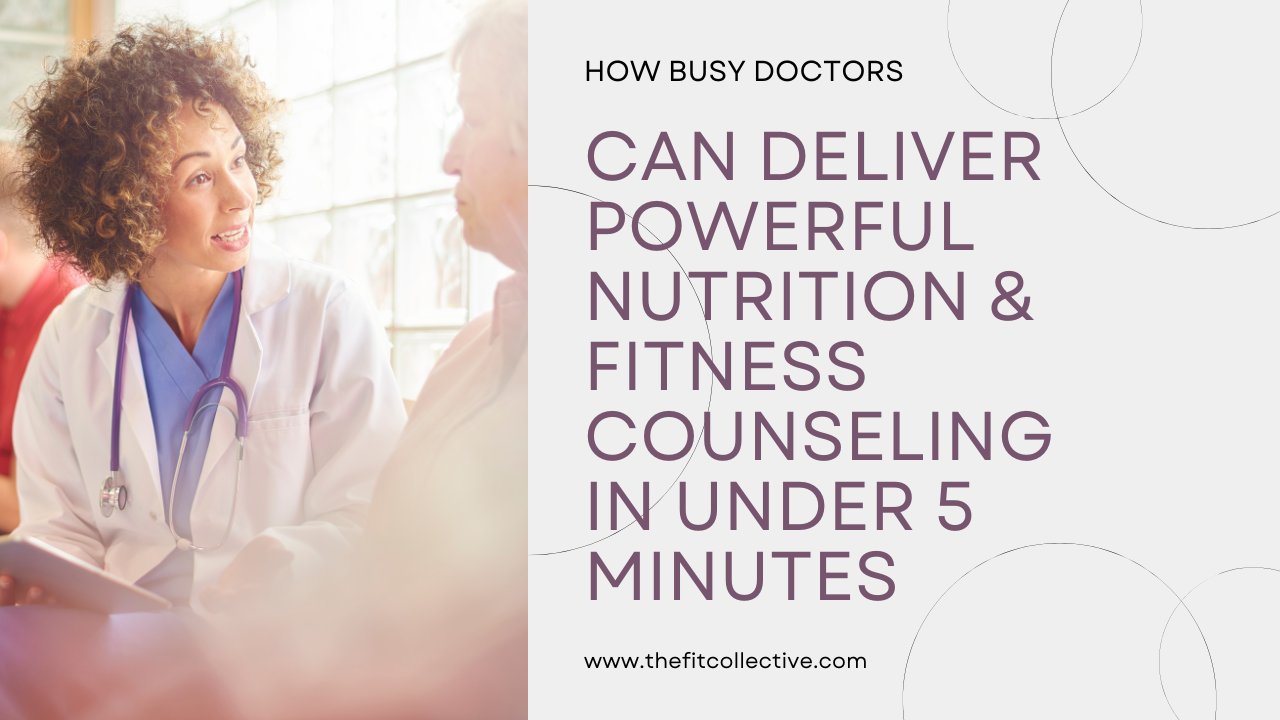
How Busy Doctors Can Deliver Powerful Nutrition & Fitness Counseling in Under 5 Minutes
Are you a busy physician who wants to support your patients’ nutrition and exercise goals—without hiring a dietitian or spending hours counseling? Learn how to implement the G.O.A.L.S. + Mindful Macros® method, a simple, evidence-based system that empowers patients in just 5 minutes. Download our free provider guide and start making a bigger impact in less time.
Are you a physician who wants to help patients eat better, move more, and feel stronger—without hiring a dietitian or spending hours in lifestyle counseling?
You’re not alone. Time is tight, resources are limited, and yet the demand for holistic care has never been higher.
That’s why we created a simple, evidence-based strategy you can teach in 5 minutes or less. Using the G.O.A.L.S. + Mindful Macros® method, you can guide your patients to real results without overloading your schedule.
Table of Contents
Why Doctors Struggle with Lifestyle Counseling
Most physicians want to integrate nutrition and exercise guidance into their practice, but common barriers include:
Limited visit time
Lack of formal training in nutrition counseling
No access to on-staff dietitians or trainers
Concern about patient overwhelm
The good news? You don’t need an entire lifestyle clinic or hours of education. Just a structured 5-minute system.
2.5-Minute Lifestyle Coaching: The G.O.A.L.S. Framework
G.O.A.L.S. is a simple, five-step approach to behavioral change that focuses on mindset, movement, and emotional health. It’s coachable in under 3 minutes:
G – Get Hungry First
Coach patients to eat when their body signals hunger—not out of emotion or habit.
O – Observe for Fullness
Introduce a hunger scale (1–10) to support portion control and mindful eating.
A – Allow Feelings
Instead of eating emotions, patients are encouraged to journal, walk, or pause before reacting.
L – Love Movement
Promote movement that feels good: walking, dancing, stretching, or yoga count.
S – Stop Perfectionism
Help patients reframe setbacks as learning, and focus on “better” not “perfect.”
🧠 Provider Tip: These principles pair well with behavioral health conversations and weight-neutral counseling.
2.5-Minute Nutrition Strategy: Mindful Macros®
Mindful Macros® is a trademarked, physician-created nutrition method that helps patients balance their meals and enjoy food with flexibility. It requires no tracking apps, scales, or complex nutrition math.
The Hand Method:
Palm Your Protein – 1 palm = 30g lean protein
Cup Your Carbs – 1 cupped hand = 30g complex carbs
Forefinger to Thumb Your Fat – “OK” circle = 10g healthy fat
Vibe Out on Veggies – Unlimited fibrous vegetables
Why It Works:
Simplicity: No measuring or tech required
Balance: Each meal fuels performance, satiety, and energy
Flexibility: Patients can adapt it to any dietary style
Fat Loss & Muscle Gain Meal Plans
Here’s how many meals patients need based on their goals and gender:
For Men:
Fat Loss: 4 Mindful Macros® meals/day
Muscle Gain: 5 meals/day
For Women:
Fat Loss: 3 meals/day
Muscle Gain: 4 meals/day
Each meal includes:
1 protein (30g)
1 complex carb (30g)
1 healthy fat (10g)
Unlimited fibrous veggies
Patient-Friendly Food Lists
Here’s a preview of the types of foods recommended:
Proteins:
Chicken, turkey, lean beef
Fish, shellfish, eggs, Greek yogurt
Tofu, beans, lentils, protein powders
Complex Carbs:
Brown rice, oats, quinoa
Sweet potatoes, legumes, whole grain pasta
Low-glycemic fruits (berries, apples, citrus)
Healthy Fats:
Olive oil, avocado oil, nut butters
Nuts, seeds, avocados
Veggies (Unlimited):
Leafy greens, cruciferous veggies, peppers, cucumbers, mushrooms
🥕 Encourage variety with raw and cooked options for texture and satisfaction.
Why This Works + How to Use It in Clinic
By using this combined approach, you can help your patients:
Take control of their nutrition
Build sustainable, body-positive habits
Improve labs, reduce cravings, and feel better fast
In your practice, you can:
Include it in preventive care or weight management visits
Display a quick-reference version in exam rooms
Offer as a follow-up PDF or handout
Recommend it as a behavior-first option before medication adjustments
📥 Download the Provider’s 5-Minute Consult Guide HERE.
👉 Download the G.O.A.L.S. + Mindful Macros®: Provider’s 5-Minute Consult Guide
This includes:
The G.O.A.L.S. coaching script
Mindful Macros® visual meal guide
Male + female sample plans
Printable food lists and fun phrases
Office-use strategies
Use it today. Change lives tomorrow.
🎧 THE MUSCLES & MINDSET PODCAST.
This is my podcast that covers all the things that you and your patients have questions about. You can check out our 200+ episodes HERE.
You can also opt-in to our 3 part private podcast series, optimal weight loss, HERE.
Final Thoughts
Helping your patients doesn’t have to be hard—or time-consuming. With the G.O.A.L.S. + Mindful Macros® framework, you have a time-efficient, empowering way to improve outcomes, deepen trust, and offer coaching-level support in your standard visits.
Let lifestyle medicine become your secret superpower.

The BMI Paradox: Why Normal Weight Doesn’t Always Mean Healthy
For high-achieving women physicians seeking personalized strategies in weight loss, muscle building, and mindset—this post unpacks the BMI Paradox. Discover how a “normal” BMI can mask hidden health risks and why individualized care based on body composition is the future of medicine.
For high-achieving women physicians seeking personalized strategies in weight loss, muscle building, and mindset—this post unpacks the BMI Paradox. Discover how a “normal” BMI can mask hidden health risks and why individualized care based on body composition is the future of medicine.
By Dr. Ali Novitsky, MD: Obesity Medicine Physician & Transformational Coach
Rewriting the Weight Narrative for Women in Medicine
As a physician, coach, and lifelong athlete, I’ve lived the paradox of being labeled “overweight” despite thriving health. This blog—and the podcast that inspired it—is your invitation to challenge the outdated metrics that oversimplify our bodies and sabotage our goals.
Understanding the BMI Paradox for Women Doctors
What Is the BMI Paradox?
Body Mass Index (BMI) was created as a quick screening tool—not a diagnostic test. Yet, it's still widely used to determine health status, medication approval, and even access to care.
Here’s the paradox:
A “normal” BMI can mask excess body fat, a condition known as Normal Weight Obesity.
An “overweight” BMI may actually represent high muscle mass and optimal metabolic health.
The Problem with One-Size-Fits-All Metrics
As a woman in medicine, you know every body is different. Yet we’re often held to generic standards. It’s time to shift from generic to genetic-informed, composition-focused health strategies.
Real Stories That Break the BMI Myth
Samantha vs. Suzanne – A Tale of Two BMIs
Let’s meet two fictional patients:
Samantha: BMI 23 (normal), but 38% body fat → Normal Weight Obesity.
Suzanne: BMI 28 (overweight), but high lean muscle → Metabolically healthy.
What’s Really Happening Inside?
Samantha has a higher risk of metabolic syndrome, insulin resistance, and sarcopenia. Suzanne, despite her higher weight, is more protected thanks to her muscle mass and lower visceral fat.
Why Muscle Mass Is Medicine
Your Secret Weapon in PCOS, Menopause, and Fat Loss
Muscle isn’t just aesthetic—it’s metabolic armor. In my own journey managing PCOS, building muscle was a game changer. It’s also a pillar of care for my patients struggling with:
Insulin resistance
Menopausal weight gain
Energy and strength declines
Coaching Tip: Train for Composition, Not the Scale
Resistance training 3x/week and protein-rich nutrition create sustainable change, especially when paired with tools like InBody scans and mindful eating.
A Coaching-Informed Approach to Weight and Wellness
Samantha’s Plan: From Normal BMI to Optimal Health
Focus: Build muscle, reduce fat
Strategy: Progressive strength training, whole-food nutrition
Meds: GLP-1s or metformin if indicated
Mindset: Releasing perfectionism around the scale
Suzanne’s Plan: Protect the Muscle, Tweak the Fuel
Focus: Maintain muscle mass
Strategy: Optimize macros for maintenance or slow fat loss
Tools: Follow-up DEXA or body comp analysis
Mindset: Confidence in her strength regardless of BMI
Motivational Interviewing for Empowered Change
Individualized care requires asking: What matters most to you? Coaching unlocks insights that protocols alone can’t access.
Practical Tips for Women Physicians Who Want to Feel Strong and In Control
Start with These 5 Steps:
Ditch BMI as your sole metric—get a body composition scan.
Lift weights 3x/week—even 10-minute sessions count. Check out my beginner strength HERE.
Fuel with intention—aim for 25–30g of protein per meal.
Track progress beyond the scale—energy, strength, how clothes fit.
Consider tools when needed—like GLP-1s, especially if struggling with satiety regulation.
Reframe Your Health Journey
You’re More Than a Number—You’re a Leader in Your Own Health
Whether you're Samantha, Suzanne, or somewhere in between—you deserve care that honors your unique body. As women doctors, we can lead this change for ourselves and our patients.
Next Steps
Listen to the full podcast episode to hear more real-world examples, personal stories, and strategies you can apply today.
🎧 Tune in: The BMI Paradox: A Deep Dive into Body Composition and Health
References
1. BMI Doesn’t Reflect Body Composition
✔️ True. BMI is a surrogate marker of body size, not health. It doesn't account for muscle vs. fat mass, nor fat distribution (e.g., visceral vs. subcutaneous fat).
🧾 Referenced by:
Romero-Corral et al., 2010 (Mayo Clinic Proc.) – coined "Normal Weight Obesity."
NIH and CDC both note BMI’s limitations.
2. Normal Weight Obesity (NWO) Is Real
✔️ True. Individuals with BMI in the "normal" range (18.5–24.9) but high body fat (typically >30% in women) can have:
Insulin resistance
Dyslipidemia
Higher cardiovascular risk
Sarcopenia or poor muscle quality
3. Muscle Mass is Protective
✔️ True. Lean muscle:
Increases insulin sensitivity
Lowers inflammation
Is inversely associated with all-cause mortality
Plays a role in PCOS management
4. Higher BMI Can Be Metabolically Healthy
✔️ True for some. This is known as Metabolically Healthy Obesity (MHO)—where individuals have elevated BMI but normal markers (e.g., glucose, lipids, blood pressure).
Caveat: MHO may not persist long-term, so monitoring is still important.
5. Coaching Tools like GLP-1s, Body Comp Scans, and Nutrition Work
✔️ True. These are standard in obesity medicine and lifestyle intervention practices.
GLP-1s (e.g., semaglutide, tirzepatide) support weight loss, especially when personalized.
Tools like InBody, DEXA, and motivational interviewing improve engagement and outcomes.
GLP-1 Agonists Don't Cause Muscle Loss — Ineffective Strategies Do
If you've seen social media posts warning that GLP-1 agonists like semaglutide or tirzepatide will "melt away muscle," it's time to set the record straight. As a physician, coach, and full-time expert in metabolic health, I’ve seen the opposite—time and time again. Let me introduce you to Dr. M., a real client who used a comprehensive approach to transform her body composition with the help of medication—and gained muscle in the process.
Understanding Nutrition, Exercise, and Body Composition in the Age of Obesity Medicine
If you've seen social media posts warning that GLP-1 agonists like semaglutide or tirzepatide will "melt away muscle," it's time to set the record straight. As an obesity medicine physician, nutrition & exercise strategist, and full-time expert in metabolic health, I’ve seen the opposite—time and time again.
Let me introduce you to Dr. M., a real client who used a comprehensive approach to transform her body composition with the help of medication—and gained muscle in the process.
🩺 Meet Dr. M: A Case Study in Sustainable Weight Loss with GLP-1 Agonists
When Dr. M and I first connected, she weighed 196 lbs. Her body composition included 85 pounds of body fat and 62 pounds of muscle mass.
Not that I put much stock in BMI, but for reference, hers was 31, which qualified her for anti-obesity pharmacotherapy.
She also had a long-standing diagnosis of Polycystic Ovary Syndrome (PCOS) and had spent her adult life navigating the all-too-common cycle of weight gain and loss. At one point, she had lost 50 pounds—4 times. And gained it back—4 times.
The food noise was relentless.
The mental burden was heavy.
And despite optimizing nutrition, exercise, sleep, stress, and behavioral strategies, her results were frustratingly minimal.
💊 The Fear of Muscle Loss on GLP-1s — Is It Valid?
Dr. M was hesitant to start a GLP-1 receptor agonist, like many of the physicians and patients I work with.
Why?
Because social media, influencers, and even some misinformed professionals have fueled a false narrative:
“GLP-1 medications cause significant muscle loss.”
Let me be clear:
GLP-1s do not directly cause muscle loss.
What causes muscle loss is inadequate strategy—specifically, poorly structured nutrition and exercise plans that neglect protein intake and resistance training.
When I asked Dr. M to trust the process I designed, she said yes.
And 3 years later, here’s where she stands:
Weight: 122 lbs
Muscle Mass: Stable with a slight gain
Fat Mass: Down by 75 pounds
🧬 Muscle Preservation During Weight Loss: The Physician’s Role
Whether or not your patients are on GLP-1s, muscle loss is not inevitable if you get the protocol right. The secret lies in three core areas:
🔍 Intelligent Nutrition Planning
Prioritize adequate protein intake (1.0–1.5g/kg ideal body weight)
Support satiety and muscle protein synthesis
Adjust caloric deficits to be strategic, not aggressive
🏋️♀️ Resistance-Based Exercise
3 days/week of progressive strength training
Low volume, high efficiency (10 minutes is enough with the right approach)
Emphasize muscle maintenance, not cardio-based weight loss
🧠 Behavior, Sleep & Stress Optimization
Address behavioral triggers, not just calories
Support recovery, hormonal balance, and nervous system regulation
💡 What the Science (and My Practice) Actually Shows
I’ve treated hundreds of women using a comprehensive weight loss model that includes GLP-1s, and I have not seen one client lose muscle mass who followed the protocol.
In fact, many have gained muscle—like Dr. M.
The data is clear:
Muscle loss comes from unintelligent or unsupervised weight loss, not the medications themselves.
So if you see another alarmist social media post telling you GLP-1s cause sarcopenia?
📱 Just scroll on.
🧭 Obesity is a Disease. It Deserves Medical Treatment and Compassion.
GLP-1 agonists are just one tool—but for many women, they are the key that unlocks lasting change.
If you’ve never struggled with excess weight…
If your BMI is “normal”…
You’re not automatically in the clear. There’s a term for that too:
Normal Weight Metabolic Obesity.
Let’s drop the judgment.
Let’s stop gatekeeping tools that work.
And let’s start practicing true, informed, evidence-based compassion.
🩺 Final Takeaway for Physicians: Support Strategy, Not Stigma
If you're a doctor treating patients with metabolic disease, your job is not to fear the medication—your job is to optimize the environment in which the medication works.
GLP-1 agonists don’t destroy muscle. Poor planning does.
So let’s empower our patients with nutrition, training, mindset, and science.
Together, we can create outcomes like Dr. M's—long-lasting, resilient, and rooted in strategy.
📢 The programs that I have created are now available for your practice:
Want evidence-based tools to help your patients preserve muscle while using GLP-1 agonists?
Check out Strength Rx HERE. This is where my program supports your patients to help them to get the results they deserve.

A Season of Celebration, Connection, and Inspired Freedom
As I’ve reflected on this legacy, I realize how deeply I’ve strived to follow in my father’s footsteps.

The 4th of July has always held a special place in my heart. Maybe it's because it's just one week before my birthday… and then comes my mom’s birthday just three days later… then my brother’s just four days after that… and then Mark rounds out the month before we celebrate my niece! July, for me, is a month of deep pride, joy, and reflection.
When I think back on my childhood, I remember growing up in a house that doubled as my dad’s doctor’s office. Yep, I literally grew up in a doctor’s office. And while many might shy away from that kind of setup, my dad used it to build the life and practice he truly believed in.
He created freedom — the freedom to be the dad he wanted to be and the doctor he wanted to be. Our home was a home not just for our family, but also for his patients.
At my parents’ 50th anniversary this past summer, half the room was filled with his patients. That says everything, doesn’t it?
As I’ve reflected on this legacy, I realize how deeply I’ve strived to follow in my father’s footsteps. While traditional medicine in a hospital taught me so much, it is this practice — the one we’ve built together — that allows me to truly serve, connect, and be home. This space is a home for my family and a home for you, my dear clients.
It’s no surprise then that I’ve opened up my actual home to host retreats. My dear friend Dr. Brooke Buckley often says, “You are redefining the doctor-patient relationship,” and while I’d love to take all the credit, I’ve had some incredible role models.
My dad led the way, and my two brothers carry the same torch. One, an ICU doc, made sure a very ill patient got his steak dinner — his final request. The other, a hospitalist, sits at the bedside having real talks with his patients. My father-in-law spent decades as a psychiatrist, always seeing the human in his patients. And Mark, my love — he creates spaces of safety where kids can just be themselves.
So this 4th of July weekend, I’m feeling an overwhelming sense of gratitude. Gratitude for the freedom to do this work in a way that feels aligned. Gratitude for each of you who trust me with your stories and your health.
And in that spirit, I want to offer something that feels true to this moment:
Join me for a free, casual chat this week — on nutrition, exercise, InBody readings, and all the things that keep us connected, grounded, and growing. Let’s bring back that in-person feeling, that real connection.
You can sign up here (it’s totally free):
https://www.thefitcollective.com/webinar
Sending so much inspired love your way.
xo,
Ali

Why Physicians Need Real Nutrition Training Now
Highlights training in nutrition, metabolic health, and GLP-1 use—even for normal BMI patients. This physician-designed training covers evidence-based weight loss strategies, motivational interviewing, and strength training integration—delivering tools that empower clinical conversations and improve patient outcomes.
Reclaiming Our Role in Nutrition, Metabolic Health, and Weight Loss Counseling
Description: This blog post explores why nutrition education must become a core clinical skill for all physicians. From weight loss counseling and motivational interviewing to using InBody scans and GLP-1 medications—even for patients with a normal BMI—this article challenges outdated mindsets and encourages physicians to step confidently into the space of evidence-based nutrition and metabolic health leadership.
Image Name: physicians-nutrition-cme-strength-training-metabolic-health.jpg
Why Physicians Need Real Nutrition Training Now
The Problem: We Were Never Taught This
Let’s be honest: most of us got 0–4 hours of nutrition training in medical school. We learned how to intubate, prescribe, and resuscitate—but not how to interpret macros, guide a patient through sustainable weight loss, or explain the metabolic impact of GLP-1s in someone with a normal BMI.
And so we’ve referred out. Referred to dietitians (when available), told patients to “eat better,” or leaned on handouts and hope. But as the obesity epidemic has exploded, and chronic disease rates continue to climb, it’s become clear:
We need to be the experts in clinical nutrition and metabolic health.
Why Influencers Took the Stage—And Why It’s Time to Take It Back
While we were feeling undertrained and underconfident, TikTok and Instagram filled the void. Social media influencers have become the go-to authorities on weight loss, intermittent fasting, macros, GLP-1s, and even gut health. Why? Because we—trained medical experts—didn’t feel we were qualified to speak.
That ends now.
It’s time for physicians to re-enter the conversation. Not just because it’s our scope, but because patients trust us to translate the science, debunk the noise, and help them make meaningful progress.
Why Referring Out Isn’t Always Enough
We love our dietitian colleagues. Many are outstanding. But here’s the truth:
Not every patient has access to a dietitian.
Many insurance plans limit visits—or don’t cover them at all.
Dietitians are incredible, but they’re not always trained in metabolic health, InBody interpretation, or GLP-1 pharmacotherapy.
That’s where we come in.
What Physicians Actually Need to Know About Nutrition for Metabolic Health
We don’t need a second degree in nutrition science—but we do need a framework that works in real clinic settings. That means:
Understanding InBody Scans
How to interpret skeletal muscle mass, fat mass, visceral fat, and segmental analysis—and how to use these data to guide treatment plans.
Advising on Nutrition for Weight Loss
Not just “calories in vs. calories out,” but nuanced conversations around protein prioritization, insulin resistance, macros, and sustainable behavior change.
Using GLP-1 Medications Responsibly
When (and when not) to use weight loss medications. How to manage patients with BMIs under 30 who still have significant metabolic dysfunction.
Motivational Interviewing that Actually Moves the Needle
How to guide change without judgment or shame. How to meet patients where they are—and help them take the next best step.
The Program That Changes Everything
Enter: The Physician’s Nutrition Training, CME & Longevity Program—a fully ACGME-aligned curriculum that delivers 48 AMA PRA Category 1 Credits™, 30 of which count toward Obesity Medicine board certification.
Inside, you’ll find:
24 CME Nutrition Modules
14 Longevity & Healthspan Training Sessions
Year-Long Strength Training Protocol (10 minutes, 3x/week)
Custom macro and protein tools
InBody interpretation strategies
Pediatric nutrition training
GLP-1 medication integration
Emotional and behavioral eating tools
Monthly live Q&As + lifetime replay vault
This program was designed by a physician—for physicians. It works in your real-world practice. It can be reimbursed by your institution. And it brings the authority, confidence, and clinical precision back to YOU.
Let’s Change the Conversation
Your patients expect you to be the expert. It’s time to meet that expectation—with evidence, compassion, and strategy.
Together, we can reclaim the role of physician as the true leader in metabolic health.

Why I’m Hosting Free Training for Physicians: Reclaiming the Role of Health Expert in the Age of Influencers
Frustrated by influencers giving nutrition advice your patients follow? This free training helps physicians take back the mic—with real tools for GLP-1 meds, InBody scans, strength, and motivational interviewing. Register now.
I didn’t go to medical school to sit on the sidelines while TikTok influencers hand out nutrition advice.
I trained for over a decade, completed a neonatology fellowship, became board-certified in obesity medicine, and spent the last eight years coaching thousands of physicians on metabolic health, nutrition, and strength—and I still found myself wondering:
Why are we—the most educated, experienced health professionals—not leading the conversation about weight loss, nutrition, and lifestyle medicine?
Because somewhere along the way, we were told:
“You’re not a dietitian.”
“Exercise isn’t in your scope.”
“Just refer them out.”
“You only need 4 hours of nutrition education.”
And now? Patients are turning to influencers for health guidance. Not because they know more than us—but because they’re speaking up.
So I decided to change that.
And this upcoming free webinar on July 8th at 8PM ET is one way I’m doing it.
🧠 This Training Was Born Out of Frustration—And Hope
In my coaching work with physicians, I hear the same things over and over:
“I’m the one prescribing GLP-1 meds… but I don’t know how to help my patients preserve muscle.”
“My patient just asked if 80g of protein is enough. I have no idea how to answer.”
“I want to support nutrition and strength, but I don’t want to say the wrong thing.”
“It feels like patients trust influencers more than me—and it’s infuriating.”
Let’s change that.
🎓 Why Physicians Need to Take Back the Mic
This isn’t about competing with wellness influencers.
It’s about reclaiming our rightful place as trusted health leaders—who combine clinical science, lived experience, and compassion in ways the internet never could.
We are the ones who:
Understand the nuance of metabolic disease
Know when (and when not) to prescribe GLP-1 medications
Can explain InBody scan results with precision
Appreciate the emotional, behavioral, and physical complexities of obesity
See patients in their entirety—not just their BMI
But none of that matters if we aren’t sharing what we know.
Knowledge is only power if we speak it aloud.
🧬 What I’ll Teach on July 8th—In Simple, Real-Life Language
This free session is for physicians who want to counsel on weight loss, nutrition, and strength with more clarity and confidence—without adding hours to their day.
Here’s what we’ll cover:
✅ InBody Interpretation:
How I use lean mass and visceral fat trends to guide conversations on fat loss goals—with or without meds.
✅ Protein Targets & Nutrition Audits:
The most effective way to teach protein and food timing—especially to GLP-1 patients or those with metabolic inflexibility.
✅ Minimum Effective Dose for Strength:
What actually works for preserving muscle mass during weight loss—and how to help patients actually do it.
✅ Prescribing Weight Loss Meds in Normal BMI Cases:
What the science says, what the boards allow, and how to make the case ethically and confidently.
✅ Motivational Interviewing That Connects:
How to use empathy-driven language that actually gets through and inspires change—especially around food and weight.
💪 This Is How We Reclaim Our Power
We don’t need a nutrition degree.
We don’t need perfect six-packs or hours in the gym.
We don’t need to know every macro breakdown ever written.
What we need is:
A working knowledge of evidence-based nutrition
The ability to communicate with confidence and compassion
A structure to help patients build metabolic strength—without burnout
And a reminder that we are allowed to lead this conversation
In fact, we’re needed to.
Join Me—And Let’s Stop Sitting Quietly on the Sidelines
I’m inviting you to this free session on Monday, July 8th @ 8PM ET, because you deserve this information. So do your patients. And frankly, so does our profession.
Even if you can’t attend live, register anyway and I’ll send you the replay.
🔗 Register Here: https://www.thefitcollective.com/webinar
👩⚕️ If You’re a Physician Who…
Wants to feel more confident discussing nutrition, exercise, and GLP-1s
Feels frustrated by the growing influence of “wellness advice” online
Knows your patients are asking for help, but you're not sure what to say
Believes medicine should lead the way in metabolic health
…then this training is for you.
Let’s take back the mic.
Let’s move forward—together.

Beginner Strength for Healthcare Institutions: Physician-Led Strength Training for Patients
Looking for a strength training program your patients will actually follow? Beginner Strength is a physician-led fitness solution built for clinics, hospitals, and wellness programs. Scalable, evidence-based, and easy to implement — it’s time to bring movement into medicine without adding workload to your team.
Physician-Led Strength Training for Patients: Scalable Solutions for Clinics and Hospitals
Strength Training for Patients | Clinical Fitness Program for Medical Practices
Discover a physician-led strength training program designed for healthcare institutions. Beginner Strength helps patients build muscle, improve metabolism, and stay active—all through a scalable, evidence-based fitness app.
Are You Still Sending Patients to YouTube for Strength Training?
If you're a healthcare provider frustrated by the lack of clinical, accessible fitness tools, you're not alone. Many doctors want to recommend strength training but lack a consistent, evidence-based resource. That’s where Beginner Strengthcomes in — a physician-led fitness program built specifically for clinics, hospitals, and wellness institutions.
What Is Beginner Strength?
Beginner Strength is a low-impact, evidence-based strength training program for patients, designed by triple board-certified physician and strength coach, Dr. Ali Novitsky. It delivers safe, guided workouts through a custom app, offering an ideal solution for medical professionals looking to add clinical-grade wellness programs to their practice.
Patients receive:
10-minute, progressive strength workouts
Video guidance led by Dr. Novitsky
Built-in scheduling, habit tracking, and progress monitoring
Providers get:
Tiered pricing for institutions of all sizes
Optional backend access to monitor engagement
An all-in-one, set-it-and-forget-it implementation model
Why Strength Training Matters in Medical Settings
Strength training isn't just for athletes. It's a crucial intervention for:
Deconditioned Patients
Patients recovering from illness, injury, or inactivity benefit from short, accessible workouts that rebuild stability and strength safely.
Preventive Health including Sarcopenia and Obesity Prevention.
Muscle maintenance is a proven strategy to prevent sarcopenia, metabolic decline, and frailty — especially for aging populations.
Weight Loss and GLP-1 Support
Providers using GLP-1 medications (like semaglutide) report that Beginner Strength helps patients preserve lean muscle mass while losing fat.
Key Features of the Beginner Strength App
This isn’t just an exercise video library. It’s a fully integrated preventive care fitness app, with features including:
Macro-based food tracker for daily nutrition insights
Apple Watch and Fitbit integration for step/activity syncing
Optional backend admin access for clinics to view patient progress
HIPAA-conscious infrastructure and private user accounts
Guided daily calendar and auto reminders for consistent habit formation
Designed for Healthcare Organizations
This hospital-based exercise initiative requires no additional tech support or staff oversight. We provide full onboarding, launch materials, and user training. Clinics and hospitals can use Beginner Strength as:
A patient care add-on
A provider wellness benefit
A bundled service with GLP-1 treatment or nutrition education
Real Doctors. Real Results.
More than 1000 physicians use and recommend Beginner Strength themselves. From endocrinologists to obesity medicine specialists, they praise its simplicity, accessibility, and transformative impact.
"I wish I had known years ago that 10 minutes a few times a week would be enough for my patients to maintain muscle!" — Dr. Matthea Rentea
"It has been a game-changer in my life, and now I recommend it to every patient on a GLP-1." — Dr. Daisy Estrada
Ready to Add an In-House Fitness Program to Your Practice?
This is your opportunity to implement a scalable fitness program for clinics without increasing workload or needing new infrastructure.